
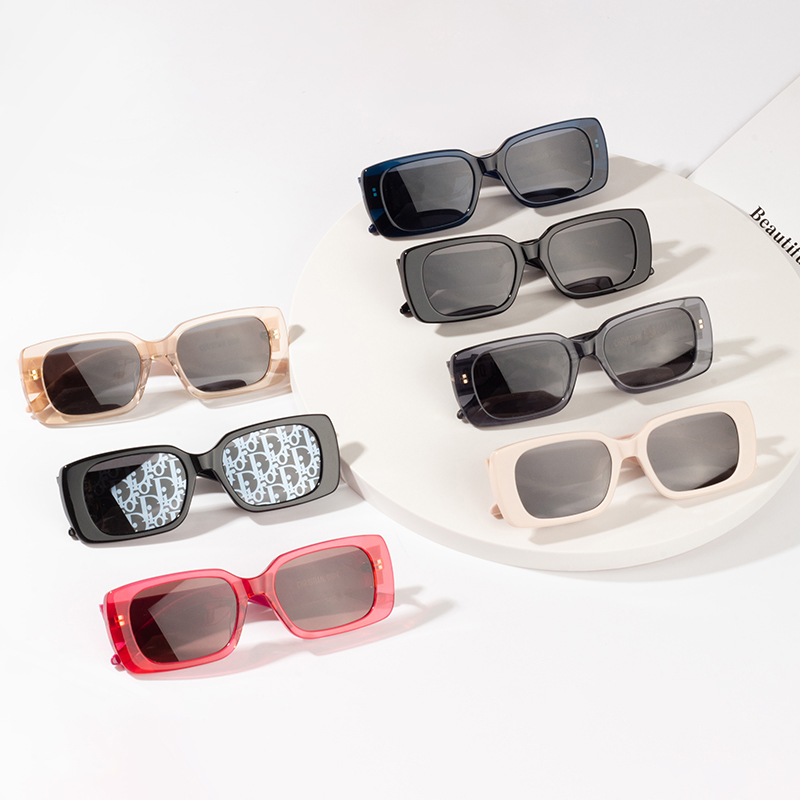
Eyewear has become not just a necessity, but also a fashion statement for many people. With a wide variety of frames and styles available in the market, it can sometimes be overwhelming to choose the right one. One of the biggest choices that consumers face when shopping for eyewear is deciding between acetate and plastic frames. Both materials have their own set of advantages and drawbacks, and understanding the differences between the two can help consumers make an informed decision.
Acetate frames are a popular choice among eyewear enthusiasts for several reasons. Acetate is a type of plastic that is derived from renewable resources, making it an environmentally friendly option. It is also known for its durability and flexibility, which allows for more intricate designs and patterns on the frames. Acetate frames are also lightweight and comfortable to wear, making them an ideal choice for everyday use. Additionally, acetate can be easily molded into different shapes and colors, giving consumers a wide range of options to choose from.
On the other hand, plastic frames have been a staple in the eyewear industry for many years. They are often more affordable than acetate frames, making them a popular choice for budget-conscious consumers. Plastic frames are also lightweight and come in a variety of colors and styles, making them a versatile option for those looking to make a fashion statement with their eyewear. However, one of the drawbacks of plastic frames is that they are not as flexible as acetate frames, which can make them more prone to breaking or warping over time.
To understand the differences between acetate and plastic frames, it is important to consider their manufacturing processes and the materials used. Acetate frames are made from cellulose acetate, which is derived from natural sources such as wood pulp and cotton fibers. The material is then mixed with plasticizers and dyes to create the final product. On the other hand, plastic frames are typically made from injection-molded thermoplastics, which are synthetic materials that are derived from petroleum-based sources.
In terms of aesthetics, acetate frames are often favored for their luxurious and high-end appearance. The material has a rich, glossy finish that gives off a sophisticated and polished look. Acetate frames are also known for their vibrant and bold colors, as well as unique patterns and textures that are not commonly found in plastic frames. Plastic frames, on the other hand, are known for their versatility and affordability. They are available in a wide range of colors and styles, making them a popular choice for consumers who want to change up their look without breaking the bank.
When it comes to durability, both acetate and plastic frames have their own strengths and weaknesses. Acetate frames are known for their flexibility, which makes them more resistant to breaking or bending under pressure. This flexibility also allows for more intricate designs and details on the frames, making acetate frames a popular choice for fashion-forward consumers. However, acetate frames may be more prone to discoloration over time, especially when exposed to sunlight and harsh chemicals. On the other hand, plastic frames are known for their sturdiness and resistance to discoloration, but they may be more prone to breaking or warping, especially when exposed to extreme temperatures.
In conclusion, both acetate and plastic frames have their own set of advantages and drawbacks. Acetate frames are known for their luxury appearance, flexibility, and vibrant colors, while plastic frames are favored for their affordability, versatility, and sturdiness. Understanding the differences between the two materials can help consumers make an informed decision when choosing the right eyewear for their needs and preferences.
As a leading manufacturer and exporter of eyewear in China, *the company's name* specializes in manufacturing a wide range of eyewear products, including both acetate and metal optical frames, sunglasses, kids' eyewear, as well as lenses and contact lenses. Our company is committed to providing high-quality eyewear products that are both fashionable and functional, catering to the diverse needs of consumers around the world. With our expertise in manufacturing acetate and plastic frames, we aim to offer a wide range of options for consumers to choose from, ensuring that they can find the perfect eyewear that suits their style and preferences.